pledg of allegiance - legacy
Opportunities and Realistic Risks
The Pledge of Allegiance remains a powerful symbol of American identity and unity. While it continues to spark debate and discussion, it's essential to approach the topic with empathy, understanding, and an open mind. By exploring the Pledge's history, meaning, and significance, we can foster a deeper appreciation for the complexities and nuances of American culture.
To learn more about the Pledge of Allegiance and its role in modern America, consider exploring different sources and perspectives. Compare the Pledge's original wording to its modern version, and examine the historical context surrounding its creation and evolution.
The Pledge of Allegiance has both benefits and drawbacks. On the one hand, it can promote a sense of unity and shared identity among Americans. On the other hand, it can be seen as exclusionary or divisive, particularly for those who disagree with its wording or principles.
Naturalized citizens are not required to recite the Pledge as a condition of becoming a U.S. citizen.
Stay Informed, Compare Options
In the United States, the Pledge has been gaining attention due to changing societal values and concerns about national identity. Some argue that the Pledge's traditional wording, which mentions "one nation under God," is exclusionary and doesn't reflect the country's diverse population. Others see it as a vital expression of patriotism and a way to promote unity among Americans.
Common Misconceptions
Can I refuse to recite the Pledge?
Common Questions
The Pledge is a requirement for naturalized citizens.
In some schools, students may be required to recite the Pledge daily, but it's not a federal law. Some schools may also offer alternative options or allow students to opt-out.
What does it mean to pledge allegiance?
🔗 Related Articles You Might Like:
pet insurance pay up front how much is it to remove a wisdom tooth Uncovering Hidden Clues in Advanced Pedigree Practice ProblemsThe Pledge of Allegiance in Modern America
- Educators and students looking to understand the Pledge's significance and context
Is the Pledge a requirement in schools?
The Pledge of Allegiance is relevant for anyone interested in American culture, history, and politics. This includes:
The Rise of Pledge-Related Discussions
📸 Image Gallery







While Francis Bellamy, a Baptist minister, is often credited with writing the original Pledge, its evolution involved several individuals and revisions over time.
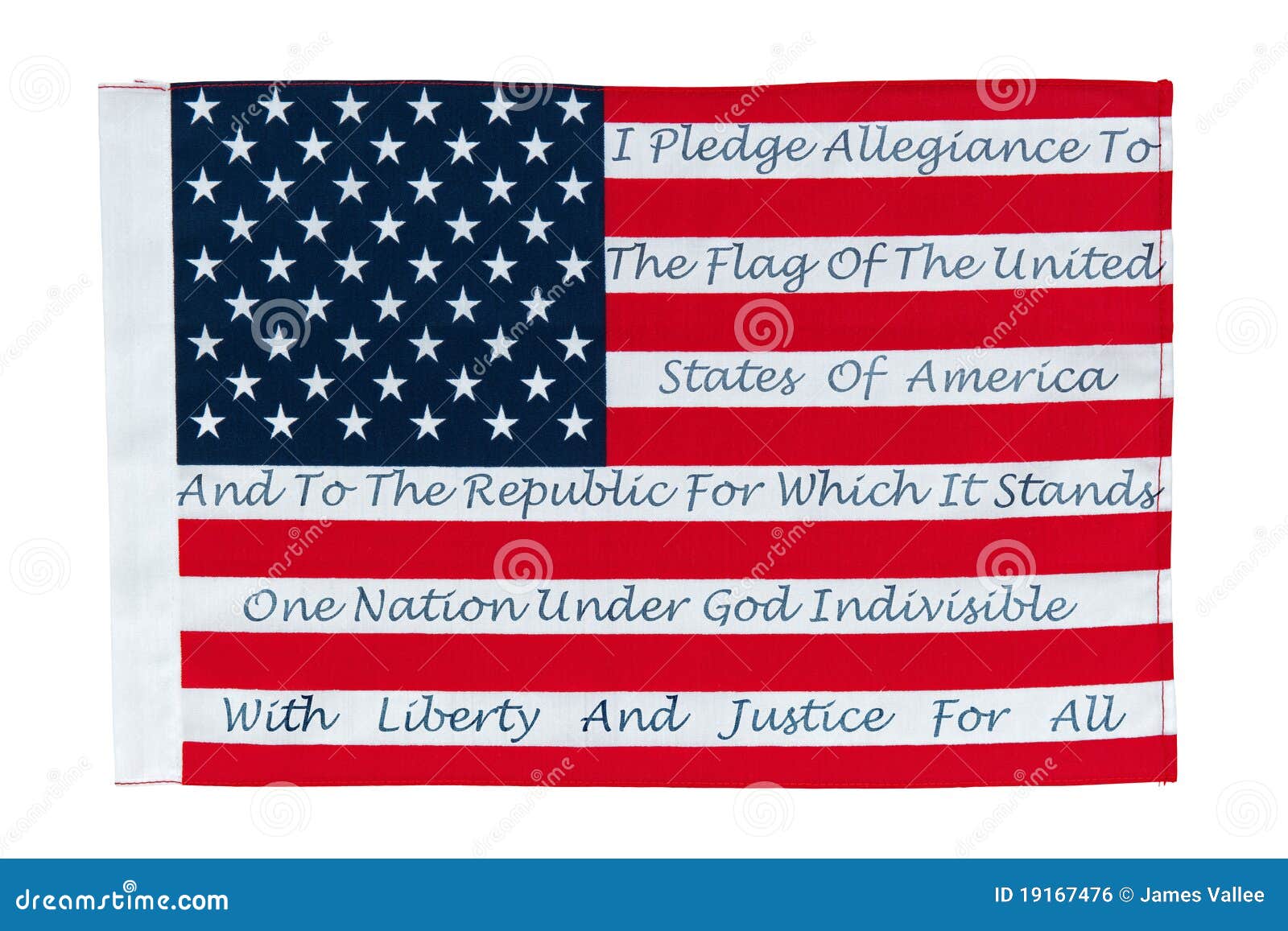
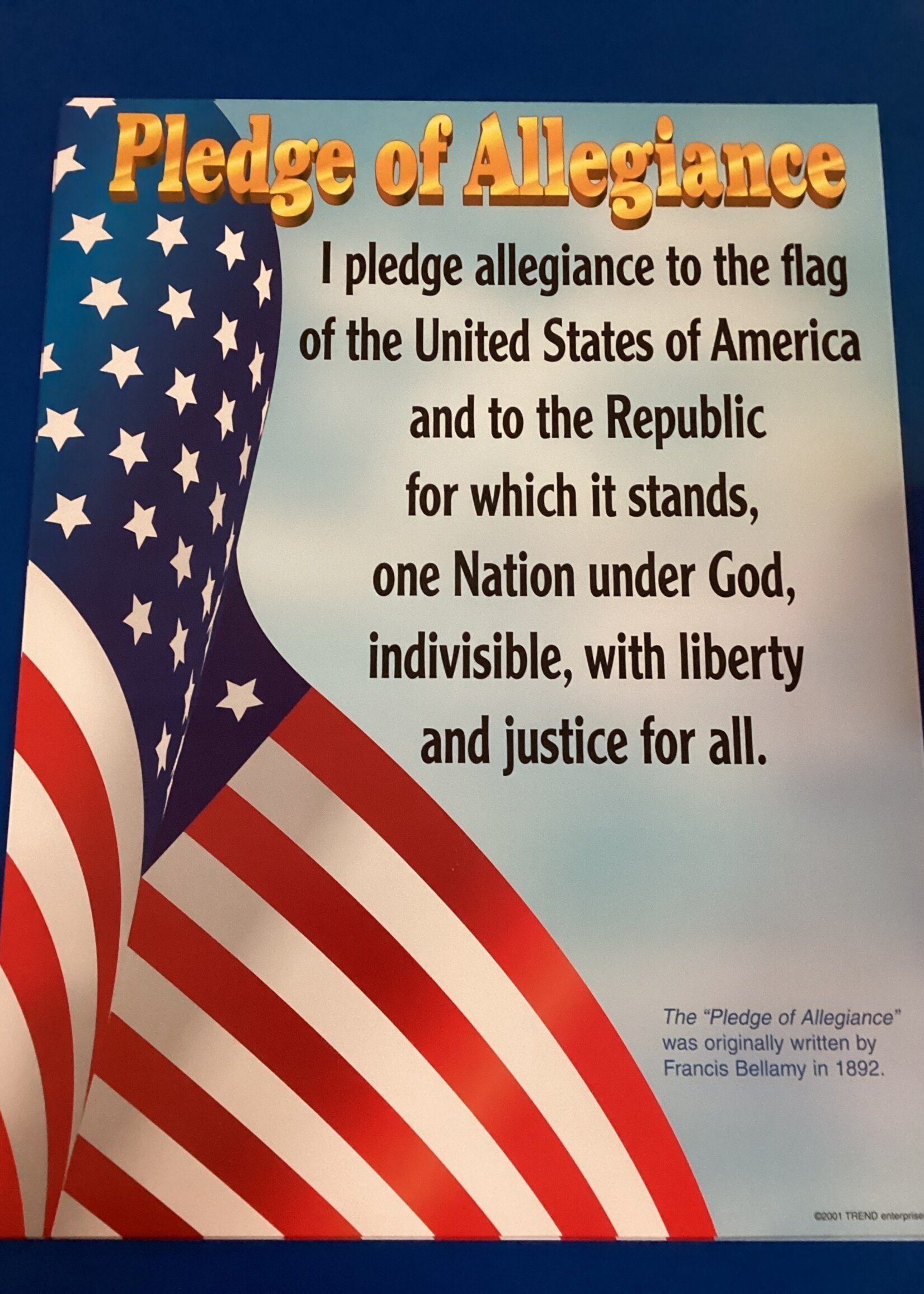
For those who may not be familiar with the Pledge, it's a simple yet powerful expression of allegiance to the United States of America. The original version, written in 1892, read: "I pledge allegiance to my Flag and to the Republic for which it stands." Over time, the Pledge has undergone several changes, with the addition of the words "one nation under God" in 1954. Today, the Pledge is typically recited as follows: "I pledge allegiance to the Flag of the United States of America, and to the Republic for which it stands, one nation under God, indivisible, with Liberty and Justice for all."
Who is this Topic Relevant For?
Yes, individuals have the right to refuse to recite the Pledge if they feel it goes against their personal beliefs or values.
How the Pledge Works
In recent years, the Pledge of Allegiance has been at the forefront of national conversations, sparking debate and discussion about its relevance, meaning, and importance in modern America. As a symbol of patriotism and unity, the Pledge has become a staple of American culture, recited daily in schools, government buildings, and other public spaces. But what exactly is the Pledge, and why has it gained so much attention in recent times?
The Pledge was written by a single person.
Pledging allegiance means to express loyalty and devotion to the United States of America and its principles. It's a promise to stand by and support the country, its institutions, and its people.
📖 Continue Reading:
Jaime King’s Secret Obsession: Everything You Never Knew About Her Journey! The Surprising Rule for Multiplying Exponents with the Same BaseConclusion
